

Who Are We Without the Familiar?

Updated: Aug 2
How Much of Our Identity Comes From Where We Live?
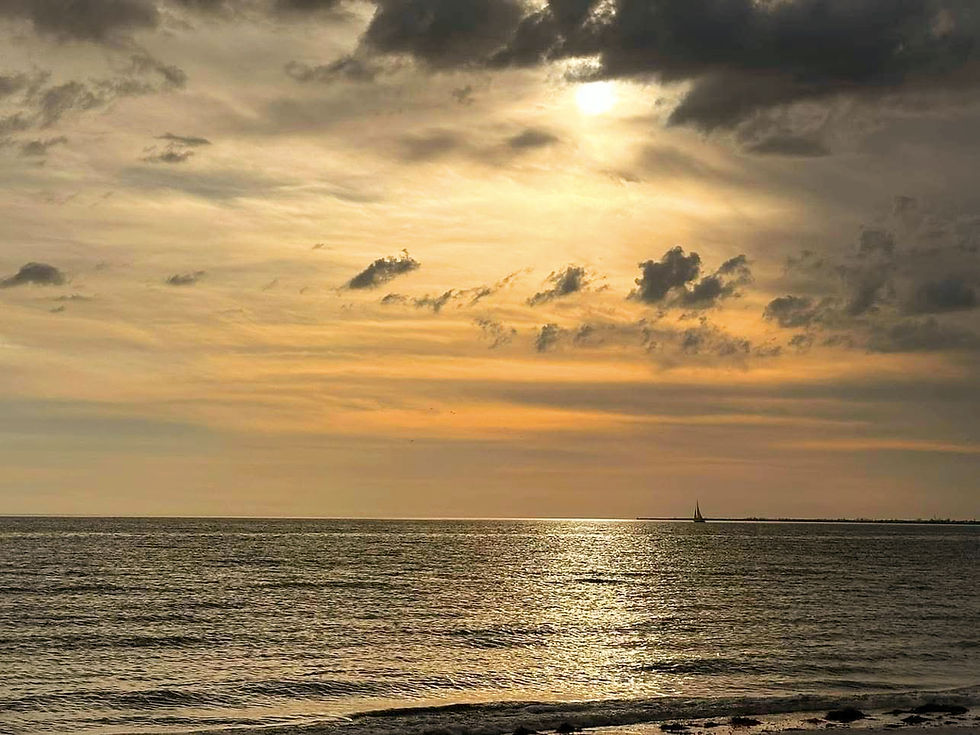
Exploring how our surroundings shape our habits, values, relationships, and sense of who we are—and what happens when we choose to leave.
For most of our lives, the place around us feels like little more than the background. But what if it has been shaping us all along?
Identity is often discussed in terms of personality, family, values, and experiences. But how much of who we are is truly ours, and how much has been shaped by where we live?
The Invisible Influence of Place
Our surroundings shape our day-to-day lives in such subtle ways that most of us do not even notice.
In much of the West, the fast pace of life and the feeling of always being in a rush are considered normal. Even if we do not like it, many of us have accepted that this is simply the way life is.
From birth, we are often sold the idea that success means an impressive job title, wealth, a large house, expensive cars, and designer clothes. There is even a phrase for the relentless pursuit of these things: “the grind.” It is not only considered an acceptable way to live in the West; it is often applauded.
After spending time in Asia, I realized that it is not actually “just the way life is.” It is simply the way of life that has been normalized for us.
The Identity We Build to Belong
Western society often pressures people to follow a traditional life path and criticizes those who choose differently.
Societal expectations lead many people to work jobs they do not enjoy, buy homes, and start families. Often, people do not stop to ask themselves whether they actually want those things because they have been taught from birth that this is simply what they are supposed to do.
We are taught to speak, dress, and behave in certain ways so that we fit in. During adolescence, anyone who does not conform is often mocked or excluded.
For years, I measured my success according to other people’s standards. Now I find myself asking, “Would I have made those same choices if I had grown up somewhere else?”
What Travel Reveals About Us

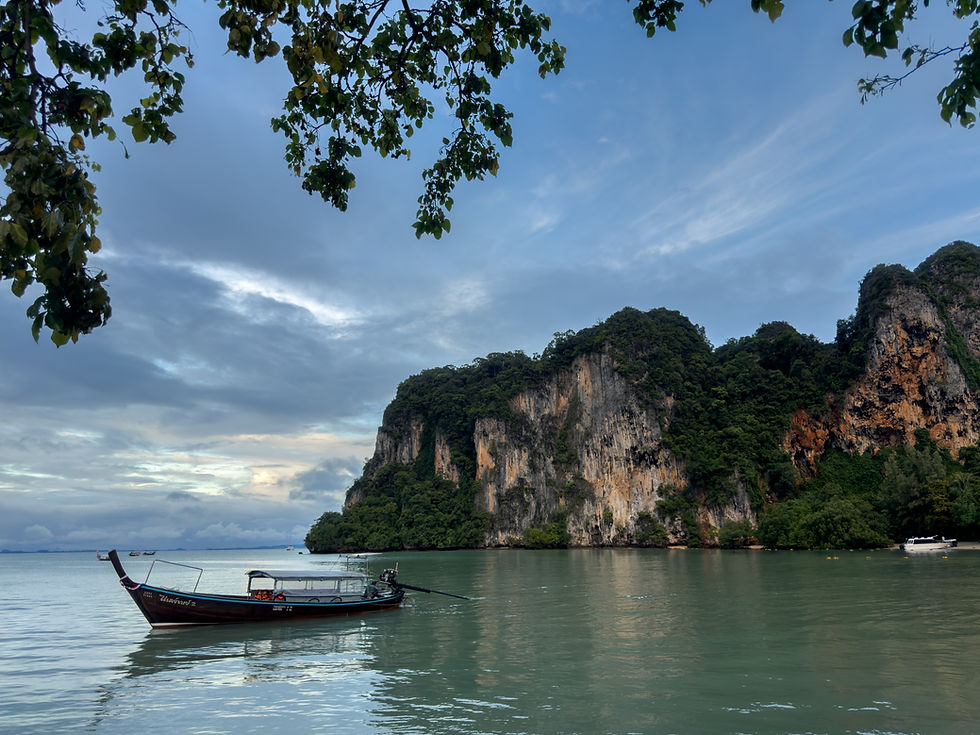
In my day-to-day life, I am an incredibly tense person. The stress created by the fast pace of life and Western expectations can feel overwhelming. My body is almost always clenched, which has contributed to migraines and back pain. Though we only spent a couple weeks in Thailand, after just a few days my body had unclenched for the first time since childhood. I was sleeping better and my bloating and constant stomach pain was gone.
I recognize, of course, that I was on vacation. Day-to-day life in Thailand would not feel as freeing as simply vacationing there. However, even while working, I believe the slower pace of Thai life could greatly reduce my everyday stress, which could, in turn, allow my body to relax.
I also noticed that I felt like a child again. I was more adventurous, more curious, and more open to trying new things. I felt relieved to escape my usual routine in the West.
Sometimes travel does not change us as much as it removes the conditions that have kept certain parts of us hidden.
Are We Becoming Someone New or Returning to Ourselves?
I am a very anxious person, and I often find myself preferring to stay home rather than go out and socialize.
Now I am beginning to ask myself, “Is that truly who I am, or is it who my surroundings have shaped me to be?”
Perhaps identity is not a fixed object that we carry everywhere. Perhaps it is partly a relationship between who we are and the environment around us.
What We Carry With Us
Although relocating can change many things, there are still parts of ourselves that follow us.
Our fears and insecurities will not automatically disappear. If you currently struggle with relationships, financial worries, mental health conditions, or past trauma, those things will not vanish simply because your environment changes.
However, I do believe a different environment can help.
I have found myself considering how much of my anxiety may be connected to the Western lifestyle. Although I do not expect my anxiety to cease to exist when I move, I do believe it could decrease.
For some people, however, moving abroad could have the opposite effect. Simple experiences, such as going to the grocery store and being unable to read the labels, could make their anxiety more intense.
A new location can change the circumstances around us, but it does not remove everything happening within us. Personal growth still requires reflection and intentional choices.
What a New Place Can Make Possible
A different environment may allow you to slow down, spend more time outdoors, connect with people who hold different values, and discover interests or qualities that previously had little room to grow.
When I move, I hope my curiosity will have room to flourish. I want my daily life to reflect calmness, adventure, and the sense of curiosity that I feel I have lost.
I hope to leave behind some of the pressures of Western life, including the constant consumerism and exhausting pursuit of “keeping up with the Joneses.”
Choosing a Place That Supports the Person You Want to Become
Relocation can provide practical benefits related to rent, weather, and healthcare, but choosing where to live goes far beyond those considerations.
Ask yourself:
Does my current pace of life suit me?
Will my daily surroundings support the life I value?
Can I spend time outside and in nature?
Is there a sense of community?
Does this place encourage the version of adulthood I want?
Can I imagine feeling grounded there?
Will I be able to live more intentionally?
Choosing where to live is partly about choosing what will shape your days.
A place does not have to be perfect, but it should make the life you want more possible rather than requiring you to fight against your surroundings every day.
Place Is Not Everything—but It Is Not Nothing

Identity is shaped by many forces, including personality, family, experiences, culture, and personal choices. Place may not determine who we are, but it can influence which parts of us are encouraged, restricted, or given room to grow.
We carry ourselves wherever we go, but we do not remain untouched by our surroundings. Every place teaches us something about how life should look, what we should value, and who we are expected to become.
Moving cannot solve everything, but it can help us recognize which parts of our identity were consciously chosen—and which were simply absorbed from the world around us.
If you could choose your environment based not only on where you wanted to live, but also on who you wanted to become, where would you go?
Have you ever felt like a different version of yourself while traveling?
Which parts of your identity are connected to where you grew up?
Do you believe moving somewhere new can change who we are?
What qualities would you hope to develop in a new environment?
Leave a comment below, and follow along as we continue exploring our relocation journey.
Subscribe to our email list to be notified of new blog posts.

Comments