

How to Plan a New Life Without Romanticizing It
- Crystal Bellew

- Aug 21
- 10 min read

All of the photos in this post we took in Thailand and they are unedited and highlight some less than desirable areas/issues.
It is incredibly easy to romanticize a new place.
Search almost any destination online and you will find beautiful beaches, charming streets, incredible food, mountain views, luxury hotels, and carefully edited videos showing what life could look like there.
The problem is that most of what we see online is a highlight reel.
Vacation photos rarely show the broken sidewalk you would walk on every day, the hour-long drive to a specialist, the grocery store that does not carry something you use regularly, or what happens when the power goes out during a storm.
When you are considering somewhere for a vacation, those things may not matter very much.
When you are considering somewhere to live, they matter a lot.
Planning a new life somewhere requires allowing yourself to be excited about the possibilities while also deliberately searching for the parts that are less exciting.
The Internet Makes It Easy to Fall in Love With a Place
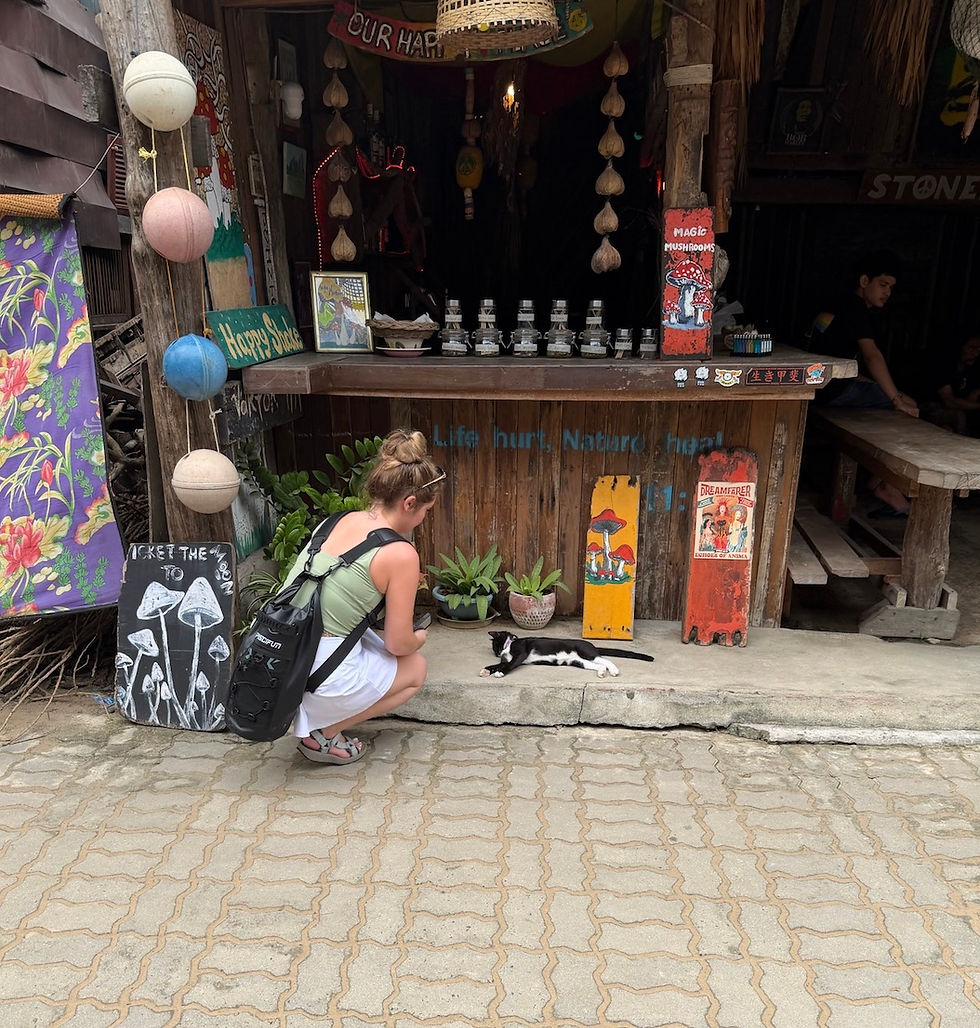
It does not take much to convince yourself that somewhere looks perfect.
A few beautiful Pinterest photos, a TikTok of someone working from a beach café, or a YouTube video showing an inexpensive apartment overlooking the ocean can quickly turn into:
I could live there.
And maybe you could.
But before making a major life decision, it is important to remember what you are actually looking at.
Most travel content is created around experiences worth photographing.
People are much less likely to post:
Their weekly grocery shopping
A frustrating trip to the immigration office
A flooded road
A power outage
A disappointing hospital visit
A difficult landlord
Traffic during rush hour
Poor sidewalks
A pharmacy that does not carry their medication
The reality of getting around without a car
Those things may not make exciting content, but they are often the things that determine whether you actually enjoy living somewhere.

Research the Life You Would Actually Be Living
When researching somewhere we might live, I have learned to search for questions that would probably never appear on a vacation itinerary.
For example, while researching different parts of Krabi, I have searched questions like:
Which town in Krabi has the best infrastructure?
Which area has the best healthcare access?
Which areas are the most walkable?
How commonly is English spoken?
How does the cost of living compare between different towns?
How easy is it to find Western products?
How reliable are electricity, plumbing, and internet?
How common is flooding?
These searches are much less exciting than looking at photos of Railay Beach.
But if I am considering building an everyday life somewhere, these questions probably matter more.
Questions to ask yourself:
What parts of my current daily routine would I still need abroad?
Which conveniences am I willing to give up?
Which inconveniences would eventually become frustrating?
What would an ordinary Tuesday look like here?
Would I still want to live here if I were not going sightseeing?
What problems am I assuming I would simply "figure out later"?
Look Beyond the Tourist Areas

One of the easiest mistakes to make when researching a destination is assuming the places tourists spend time are representative of everyday life.
Sometimes they are.
Sometimes they are completely different.
Research residential neighborhoods and nearby towns in addition to the area's biggest attractions.
Look at:
Apartments and houses for rent
Grocery stores
Pharmacies
Hospitals
Gyms
Cafés
Coworking spaces
Roads and sidewalks
Public transportation
Neighborhood streets
Shopping centers
Veterinary care if you have pets
Use Google Maps or street-view tools where available and explore the neighborhoods around properties you could realistically afford.
Ask yourself:
Would I actually want to live on this street?
Research Transportation Before You Assume Somewhere Is Convenient
Distance can look very different depending on transportation.
Ten miles may be nothing somewhere with good roads and public transportation but incredibly inconvenient somewhere else.
Research:
Public transportation
Taxis and ride-hailing apps
Scooter or motorcycle use
Car ownership
Walkability
Traffic
Road conditions
Distance to grocery stores
Distance to hospitals
Distance to shopping
Distance to the nearest airport
Questions to consider:
Could I comfortably live here without a car?
Would I need to learn to drive a scooter?
How long would it realistically take to reach the airport?
What happens if I need transportation late at night?
How would I get somewhere during bad weather?
Would transportation costs change my expected cost of living?
What side of the road do they drive on?
Research Healthcare Before You Need It
Healthcare access can be easy to overlook when you are healthy.
But living somewhere means eventually dealing with routine appointments, prescriptions, illnesses, injuries, dental care, and potentially emergencies.
Research:
Nearby hospitals
Private vs. public healthcare
Primary care
Specialists
Dental care
Emergency services
Health insurance
Prescription availability
Pharmacy access
Veterinary care if moving with pets
Also research whether any medications you currently take are restricted in the country.
Something that is routinely prescribed at home may be regulated differently elsewhere.
Ask:
Where would I go during an emergency?
How far away is the nearest major hospital?
Would I need to travel to another city for specialists?
Could I communicate with healthcare providers?
Would my health insurance work there?
Are my medications legal and available?
Learn the Laws and Customs Before You Move
Moving abroad means living under another country's laws, not simply visiting under tourist rules.
Research local laws that could affect your everyday life.
This might include:
Visa rules
Employment laws
Driving requirements
Medication restrictions
Alcohol laws
Drone regulations
Pet import regulations
Housing rules
Local taxes
Online activity or speech laws
Cultural expectations
Not everything that is normal or legal in your home country will necessarily be treated the same way elsewhere.
Learning local customs is equally important.
Consider things like:
Appropriate clothing
Tipping
Greetings
Religious customs
Public behavior
Etiquette
Attitudes toward foreigners
The goal should not simply be finding somewhere that fits you.
Part of moving abroad is also learning how to respectfully fit into the place you are choosing.
Find Out Whether You Can Actually Work There
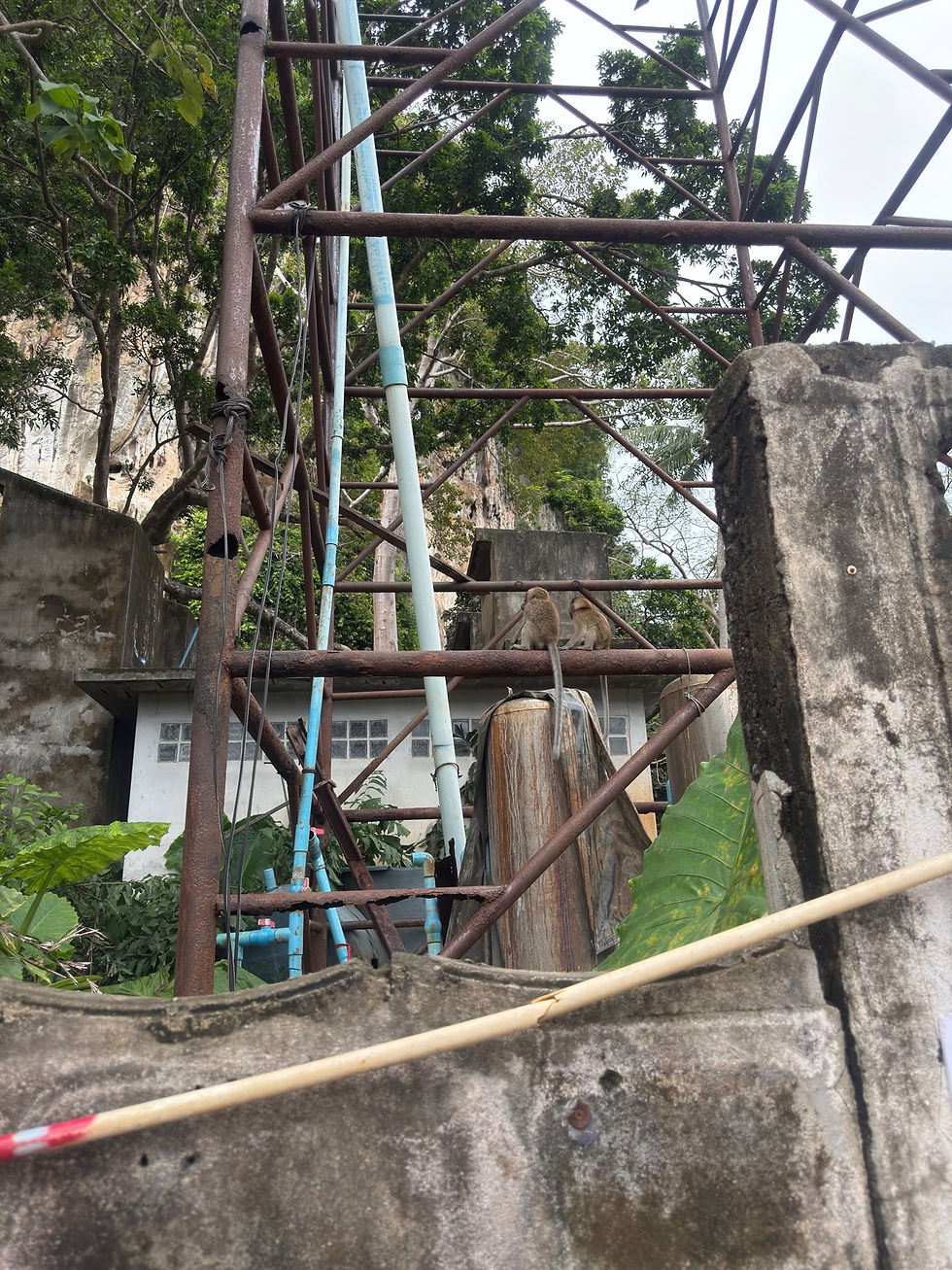
Being able to physically do your job from another country does not necessarily mean you are legally allowed to do it.
Before building a plan around remote work, research:
Does the country allow remote work?
What visa would you need?
Does your employer allow international remote work?
Would working abroad create tax issues for your employer?
Would you become a tax resident?
Would you owe taxes locally?
Would you still owe taxes in your home country?
Are there income requirements for the visa?
This may be one of the least exciting parts of planning a move, but it can determine whether your plan is possible at all.
Understand the Visa Before Building Your Life Around It
A beautiful destination does not matter much if there is no realistic way for you to stay there.
Research:
Available visas
Income requirements
Savings requirements
Length of stay
Extension rules
Reporting requirements
Work authorization
Dependent or spouse visas
Health insurance requirements
Renewal requirements
Long-term residency options
Do not stop at social media explanations.
Use government and embassy websites to verify important visa information because requirements can change.
Calculate the Real Cost of Living
Cost-of-living videos can be helpful, but someone else's lifestyle may look nothing like yours.
Instead of searching only:
How much does it cost to live in _____?
Break the question down.
Research:
Housing
Rent
Deposits
Utilities
Furnished vs. unfurnished housing
Internet
Neighborhood differences
Everyday Life
Groceries
Restaurants
Transportation
Phone service
Gym memberships
Household goods
Clothing
Entertainment
Pet expenses
Expenses That Are Easy to Forget
Visas
Immigration fees
Health insurance
Travel insurance
Flights home
International banking fees
Taxes
Private healthcare
Vehicle costs
Emergency savings
Then build a budget based on your lifestyle rather than someone else's.
Research the Things You Will Miss
One question that does not get discussed enough is:
What will you miss from home?
Not emotionally—that deserves its own conversation—but practically.
Are there foods, products, hobbies, or services you use regularly?
Research whether they are available and what they cost.
For us, questions like how commonly Western goods are available matter because moving abroad does not automatically mean we will stop wanting everything we currently use.
You may discover substitutes you love.
You may also discover that something inexpensive at home becomes an expensive imported luxury.
Neither one necessarily means you should not move.
You simply want to know before you build a budget around assumptions.
Use Social Media for Research—Not Just Inspiration
Social media can actually be an incredible research tool when you deliberately move past the polished content.
Use as many platforms as possible:
YouTube
TikTok
Instagram
Pinterest
Facebook
Reddit
Blogs and forums
Instead of only searching:
Beautiful places to live in Thailand
Try searching:
"What I wish I knew before moving to Thailand"
"Why I left Thailand"
"Things I hate about living in Thailand"
"Cost of living in Krabi"
"Living in Krabi rainy season"
"Krabi flooding"
"Moving abroad regrets"
"How moving abroad changed my life"
"What surprised me after moving abroad"
"What no one tells you about living abroad"

The goal is not to scare yourself out of moving.
It is to intentionally expose yourself to information that challenges the version of the place you have already created in your mind.
Join Local Facebook Groups
Facebook groups can sometimes show a much more realistic version of a place than travel content does.
At least in Thailand, Facebook is still widely used for local communities, housing, recommendations, expat groups, and neighborhood information.
Search for groups related to:
Expats
Digital nomads
Local neighborhoods
Rentals
Buy-and-sell groups
Pet owners
Local community groups
Foreigners living in the area
Then pay attention to what people actually ask about.
You might repeatedly see posts about:
Power outages
Flooding
Immigration
Landlords
Healthcare
Internet problems
Transportation
Stray animals
Housing
Local scams
Noise
Construction
Those conversations can reveal everyday issues you might never encounter while researching through traditional travel websites.
Just remember that online groups can sometimes skew negative because people are more likely to post when something goes wrong.
Use them as one source of information rather than treating every complaint as representative of life there.
Search for People Who Changed Their Minds
One of the most useful things you can research is why people left somewhere you are considering.
Try searches like:
"Why I left _____"
"Why I regret moving to _____"
"Things I don't like about living in _____"
"Why _____ wasn't for me"
"The reality of living in _____"
It can be tempting to avoid this type of content once you have fallen in love with a destination.
But someone else's reason for leaving might help you understand whether the area's weaknesses would actually bother you.
Their dealbreaker might be completely irrelevant to you.
Or it might be something you had never considered.
Pay Attention to What People Disagree About
You will almost certainly find conflicting opinions.
One person may say somewhere is incredibly affordable while another says it has become too expensive.
Someone may describe an area as peaceful while another thinks it is boring.
Someone may love riding a scooter everywhere while someone else considers transportation one of their biggest frustrations.
Instead of trying to determine who is right, ask:
Which person's lifestyle is most similar to mine?
A place does not have to be universally good.
It has to work for the life you want.
Visit Before Moving If You Can

If you have the opportunity, visiting the destination before moving can answer questions that research never will.
You can experience:
The climate
Traffic
Noise
Walkability
Food
Transportation
Infrastructure
Culture
Crowds
Neighborhoods
How you actually feel there
But there is one piece of moving-abroad advice I see frequently that I think deserves more nuance:
"Spend one to three months there before deciding to move."
Would that be ideal?
Absolutely.
Is it realistic for most people?
Probably not.
Many people have jobs, limited vacation time, pets, children, mortgages, financial responsibilities, or other obligations that make disappearing for several months impossible.
I do not think someone should believe they cannot make an informed decision simply because they cannot spend three months somewhere first.
If your current life allows you to visit for one week, go for one week.
If you can stay for two weeks, stay for two weeks.
If you are fortunate enough to spend several months there first, even better.
The important thing is to use whatever time you have intentionally.
Don't Vacation the Entire Time You Are There

If you are visiting somewhere because you may eventually move there, dedicate at least part of the trip to pretending you already live there.
Go grocery shopping.
Visit residential neighborhoods.
Walk around without a sightseeing agenda.
Take the transportation you would realistically use.
Look at apartment buildings.
Visit a supermarket.
Go to a pharmacy.
Sit in a café and work for a few hours.
Drive the route to the nearest hospital.
Walk through town in the afternoon heat.
Go outside when it rains.
Look at what the streets are like after dark.
Your goal is not to ruin your vacation.
You are simply collecting information your vacation itinerary would never show you.
Separate Dealbreakers From Adjustments

No location will be perfect.
Eventually you have to decide which problems are true dealbreakers and which are simply adjustments.
Consider creating three categories:
Non-Negotiables
Things you genuinely need in order to build a sustainable life.
Examples:
Safe area
Reliable internet
Healthcare access
Affordable housing
Legal ability to stay long-term
Strong Preferences
Things that significantly affect your quality of life but may allow some compromise.
Examples:
Walkability
Beach access
Restaurants
Modern housing
English availability
Things I Can Adapt To
Differences that may initially feel inconvenient but that you are willing to learn to navigate.
The goal is not to find somewhere without problems.
It is to find somewhere whose problems you are willing to live with.
Don't Research Until You Eliminate Every Risk
There is another side to all of this.
You can become so determined not to romanticize somewhere that you research yourself into paralysis.
There will always be another Reddit thread.
Another YouTube video.
Another warning.
Another person telling you that you are making a mistake.
Research should help you understand risk—not convince you that risk can be eliminated.
Eventually you may have enough information to say:
I understand what could be difficult about living here, and I still want to try.
That is very different from believing somewhere will be perfect.

The Goal Isn't to Stop Dreaming
I do not think planning realistically means removing all of the excitement from moving abroad.
The beaches matter.
The scenery matters.
The culture matters.
The adventure matters.
The possibility of building a completely different kind of life matters.
Those may be some of the biggest reasons you are considering moving in the first place.
But loving what somewhere gives you means understanding what it may ask you to give up too.
A new country will not magically eliminate every problem in your life.
You will still have bills, bad days, errands, stress, illnesses, inconveniences, paperwork, and responsibilities.
They will simply exist against a different backdrop.
Maybe that backdrop creates a life that fits you better.
The only way to know is to look beyond the highlight reel and ask what living there—not vacationing there—might actually feel like.
Closing Thought
Planning a life abroad should include both versions of the place.
The one that makes you dream about leaving.
And the one where you are buying groceries, paying bills, sitting in traffic, dealing with immigration paperwork, going to the doctor, and trying to figure out why your internet stopped working.
If you can look at both honestly and still feel drawn toward the life waiting there, you probably are not simply romanticizing it anymore.
You are beginning to understand what choosing it might actually mean.


Comments